
Talks and working sessions for people who negotiate for a living
Sivad Enterprises speaks to aerospace and defense audiences about the things that actually decide outcomes in this industry: what the other side of the table is optimizing for, why lead time is a contracting problem, what a purchasing system review looks for, and how agreements get reached between organizations that need each other and do not entirely trust each other.
Sessions run from a thirty-minute conference keynote to a full-day working session with live negotiations. Material is rebuilt for the audience in front of it, because a supplier day for forty small businesses and an internal offsite for a prime’s category managers are not the same room, and a session goes to whoever on the team carries the discipline the room actually needs.
Formats
| Format | Duration | Audience size | What it is |
|---|---|---|---|
| Conference keynote | 30 to 45 minutes | Any | A single argument with evidence, built for a mixed audience. Ends with something the room can use on Monday. |
| Panel or fireside | 45 to 60 minutes | Any | Participation as a panelist or moderator. We prepare against the other panelists’ positions, not just our own. |
| Supplier day session | 45 to 90 minutes | 20 to 200 | Built for a prime or program office addressing its supply base. Covers what the buying organization needs suppliers to understand, delivered so suppliers will actually hear it. |
| Executive briefing | 60 to 90 minutes | 5 to 25 | Closed session for a leadership team on a specific decision or exposure. |
| Half-day workshop | 3 to 4 hours | 10 to 30 | Teaching plus structured exercises. Participants leave with a completed artifact: a position, a term sheet, a readiness checklist. |
| Full-day intensive | 6 to 7 hours | 8 to 20 | Live negotiations with observation and feedback, built from the participants’ own live work. The format that allows enough repetitions for behavior to change rather than awareness. |
Workshops above thirty participants become briefings, and we will say so during scoping rather than after. Skill work requires time in the chair and there is only so much chair.
Topics
The talks are built on work Sivad has done directly rather than on secondary material, which is why they go to the level of detail they do.
What the other side of the table is actually evaluating
Suppliers prepare for negotiations by rehearsing their price. The prime’s negotiator arrived with a cost baseline already submitted in a proposal, a contract type that fixes what they can absorb, a schedule with known float, an approved purchasing system they are not willing to jeopardize, and a file that has to defend the price to an auditor who was not in the room. This session lays out the constraint set the buying side is working inside, which items cost them very little to concede, which they genuinely cannot move, and how a supplier who understands the difference gets terms that are worth more than the discount they were chasing.
Best for: supplier audiences, small business outreach events, supplier days. Formats: keynote, half-day workshop.
The four-year part: why lead time is a contracting problem
Long lead times on flight-qualified hardware are usually blamed on manufacturing and are usually created upstream of it, by how the part is bought. Transactional purchase orders put a program at the back of a queue it has no standing in, raw material is ordered at the part level instead of at the mill run, and source approval and first article are treated as quality steps rather than schedule items. This session walks through where the months actually go and which contract instruments take them back: long-term agreements with forecast commitments and tolerance bands, capacity reservation, raw material positioning, and priority ratings where they apply. Lead times on flight-qualified hardware have come down from years to months on exactly this shift, with commodity buying replaced by negotiated long-term agreements.
Best for: supply chain and operations audiences, program teams, manufacturers. Formats: keynote, executive briefing, half-day workshop.
Passing a purchasing system review without rebuilding the company
A Contractor Purchasing System Review examines whether a contractor’s purchasing system can be trusted with government money, and it does it by reading purchase files. Most contractors approaching a review respond by writing more policy, which is the wrong end of the problem, because the finding will come from a file that does not document price reasonableness, a sole-source justification that asserts rather than demonstrates, a flowdown matrix that is a version behind, or a make-or-buy decision nobody recorded. This session covers what the review examines, the failure patterns that produce findings, and a ninety-day readiness sequence that works on the files and the buyer behavior rather than on the manual.
Best for: contractors approaching review, compliance and procurement teams, industry associations. Formats: keynote, workshop, executive briefing.
The flowdown gap
Between what a prime flows down to a supplier and what that supplier flows down to its own suppliers sits a gap, and the liability in that gap does not disappear because nobody looked at it. Cybersecurity obligations get accepted at the top and never reach the machine shop. Domestic sourcing and specialty metals requirements get passed down as boilerplate to suppliers who cannot certify against them. Data rights get asserted in one direction and delivered in another. This session maps where flowdown gaps form, what they cost when they surface, which is usually during diligence or an audit, and how a supply chain organization closes them without flowing everything down to everyone, which is the other common failure.
Best for: supply chain, contracts, and compliance audiences, and acquirers. Formats: keynote, executive briefing, half-day workshop.
Conversational negotiation: how agreements actually get reached
Negotiation training in this industry tends to teach a script and a set of tactics, which works until the counterparty has read the same book. Conversational negotiation is Sivad’s own term for the approach it teaches: reaching agreement by understanding what the other organization is being measured on, what it is permitted to do, and what it needs to be able to defend internally, then constructing a deal that lets both sides win the argument they have to win at home. This session covers the preparation that makes it possible, what to ask and how to listen for the constraint behind the position, and how to keep a relationship intact through a hard negotiation because in this industry the counterparty will be on the next program too.
Best for: mixed audiences, leadership offsites, sales and capture teams. Formats: keynote, half-day workshop, full-day intensive.
Custom topics are possible where they sit inside these domains. We will decline a topic we cannot speak to with authority rather than prepare one, and organizers should expect that answer occasionally.
Where these sessions land well
Good fit
- Aerospace and defense industry conferences and association meetings
- Prime contractor supplier days, supplier councils, and supply base summits
- Small business outreach and industry days run by government or economic development organizations
- Internal leadership offsites for supply chain, contracts, or capture organizations
- Program-level supplier summits, including multi-tier supplier events
Less good fit
- General business or motivational keynotes with no procurement or contracting content
- Sessions requiring commentary on a specific active procurement or a named company's competitive position
- Audiences with no aerospace, defense, or government contracting exposure, where the material loses its specificity and becomes generic negotiation content
What we need from you
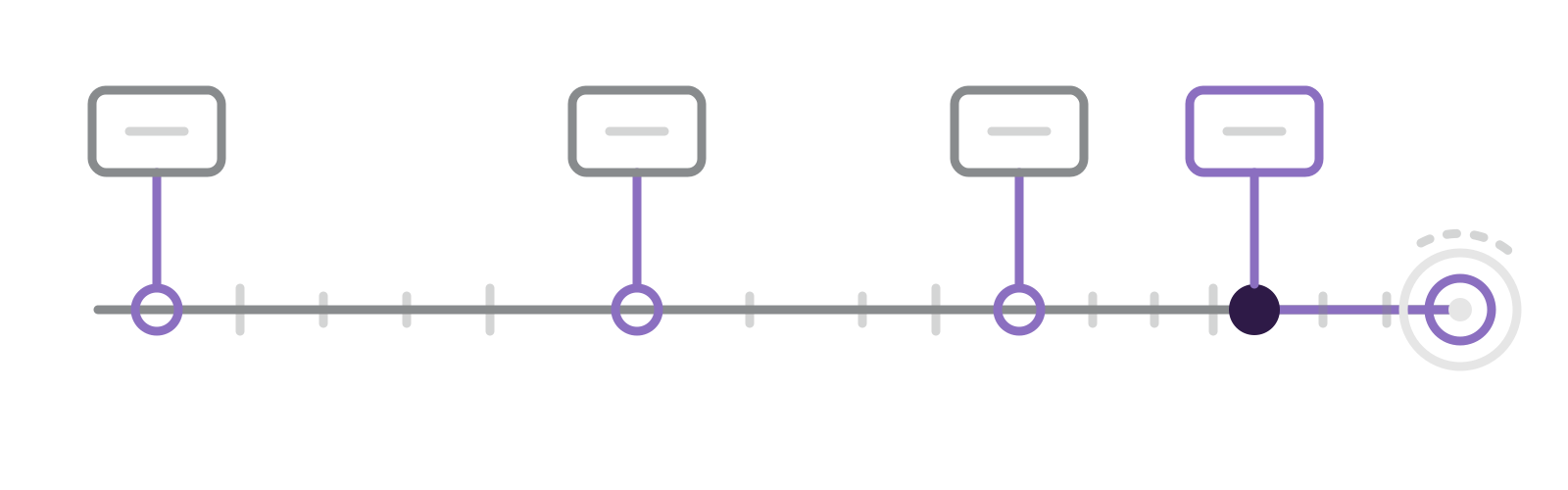
At the point of inquiry
- Date, city, venue, and whether the session is in person, virtual, or hybrid
- Format and duration requested, and where the session sits in the run of show
- Audience profile: how many, what functions, what seniority, and how much government contracting exposure the room has
- Whether the audience is supplier-side, buyer-side, or mixed, which changes the talk substantially
- Whether the event is public, member-only, or internal, and whether media will be present
Four weeks out
- Confirmed run of show and the names of other speakers or panelists in the same session
- Access to two or three short pre-event conversations with attendees or the organizing team, which is how the material gets rebuilt for the actual room
- Recording, photography, and distribution rights, stated in writing
- Any facility, badging, or escort requirements, settled early rather than at the door.
Two weeks out
- Final attendee count and any pre-read distributed to participants
- Room layout for workshops. Rounds or pods, not theater seating, if there are exercises.
- Audiovisual detail: display resolution and aspect ratio, whether a confidence monitor exists, microphone type, and whether the room supports participants working at tables
On the day
- A room contact who can be reached during setup
- Twenty minutes in the room before doors for a technical check
How a session is confirmed
Where a session goes ahead it is confirmed by a short letter of agreement covering date, format, duration, commercial terms, travel, recording rights, and cancellation terms.
Tell us about the room
The most useful first message describes the audience, the date, and what the organizers want the room to do differently afterwards. Everything else can be worked out from there.