
Pricing a commercial product for a federal buyer
The situation
The client is a high-growth technology company entering the federal market, selling a commercial software product that a federal buyer had already decided it wanted. The product was not the problem.
The problem was that a commercial company sells a subscription with a published list price and a sales engineer, and a government buyer has to award something a contracting officer can defend in writing to somebody who was not in the room.
That gap is where most first federal offers stall. The company has a price, and what the government needs is a price structure: labor categories with written qualification standards, rates that hold across the years of the period of performance, a stated basis for every number, and a justification that connects the total to something other than the company’s confidence in its own product.
The engagement ran from inception through submission in support of a specific federal opportunity, and covered the pricing volume end to end rather than reviewing one the client had already written.
Why a commercial price is not a federal price
A commercial price answers one question: what will this customer pay. A federal price has to answer four. What are you selling, in categories the government recognizes. What does each unit of it cost, per year, for every year of the contract. How do you know that is fair and reasonable. And what happens to the price if the requirement moves.
Commercial item, or a certified cost buildup
The first fork is whether the offer runs under FAR Part 12 as a commercial product or service. If it does, the contracting officer supports price reasonableness with market data, sales history, and competition rather than requiring a certified cost buildup, and the company avoids an exercise its accounting system was never built to survive. Getting that determination framed correctly at the start is worth more than any single number in the workbook.
Who carries the performance risk
The second fork is contract type. A firm-fixed-price arrangement is what most agencies prefer and what most commercial companies assume they want, and it moves performance risk onto the seller in a way that has to be priced deliberately rather than absorbed by accident.
The justification for a fixed price is not a paragraph asserting that the price is fair; it is an auditable line from hours and categories and units to the total, with the assumptions written down so that a change in requirement produces a change in price instead of an argument.
What we built
1. A multi-year labor category rate card. Every labor category defined with a written qualification standard, education and experience substitutions stated, and a fully burdened rate for each year of the period of performance.
Escalation is negotiated once, at the front, with a stated basis, rather than left as a placeholder percentage that the first evaluator will ask about. The categories are written to match the people who will actually charge the contract, because a rate card that does not survive contact with the timecard creates an invoicing problem in month one.
2. A firm-fixed-price justification. A worked buildup that ties the proposed price to categories, hours, units, and assumptions, revised as the requirement and the client’s own position firmed up. The document exists to give the contracting officer the material to write a determination of price reasonableness. Written well, it is most of that determination already drafted.
3. Competitive rate benchmarking. The proposed rates positioned against comparable published and awarded rates for equivalent labor categories, so that the client could see where each category sat in the band before the government did.
Benchmarking is a pricing decision tool first and an evaluation defense second. A rate that cannot be explained relative to the market gets challenged whether it is high or low.
4. Responses to the government’s pricing questions. Direct written answers to the questions the government raised on the pricing volume, carried through successive revisions to a clean final version. This is the part of federal pricing work that nobody plans for and that decides more awards than the initial submission does, because the question set tells you exactly what the evaluator is uncomfortable with.
How it ran
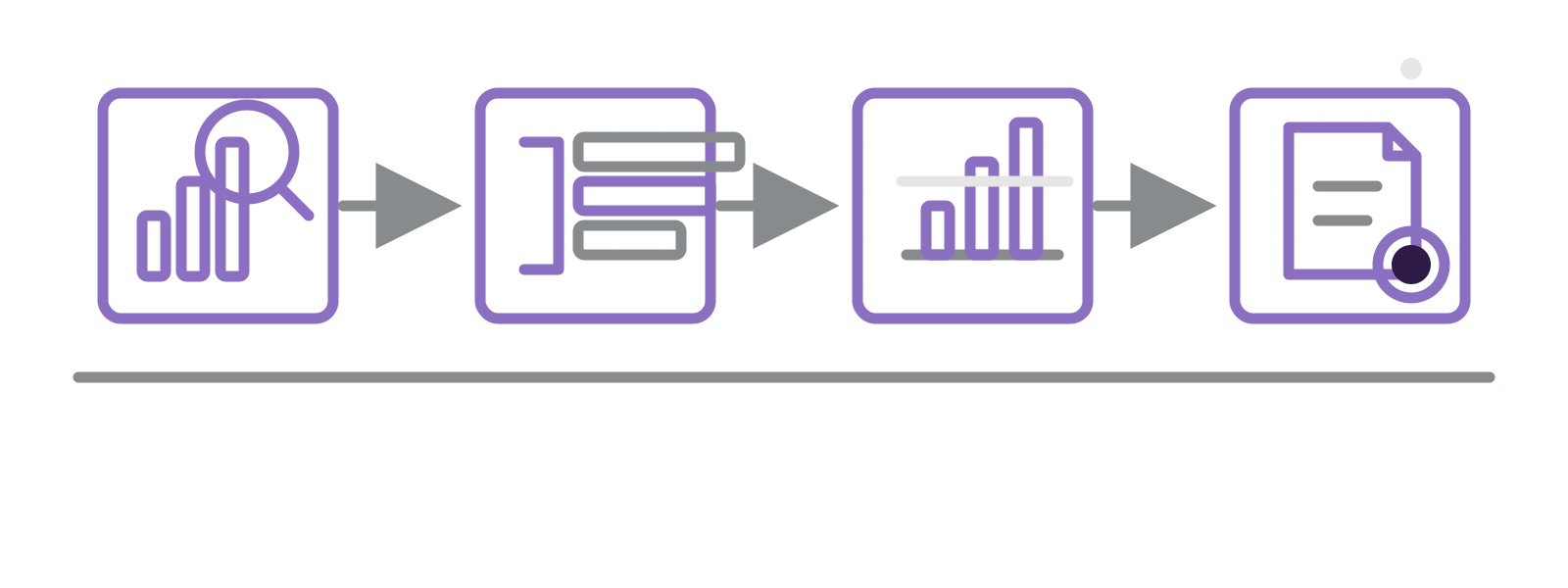
The work was scoped as a defined pricing engagement with an end point rather than as a standing arrangement, run against the government’s schedule, and tracked from inception to submission. It took weeks rather than months, which is the usual shape of this work: the pricing volume is the last thing finished and the first thing questioned.
Deliverables were built to be handed over and owned. The rate card, the justification, and the benchmarking file are the client’s working documents for the next opportunity, not artifacts of a consulting engagement that lose their meaning when the consultants leave.
If this is the position you are in
The pattern repeats across commercial technology companies entering the federal market. There is a product the government has already indicated it wants, a sales team that has never priced against a solicitation, an accounting system with no indirect rate structure expressed in a form a contracting officer recognizes, and a deadline.
The instinct is to submit the commercial price with a discount attached, which reliably produces a question set the company cannot answer.
The work is to build the price structure once, properly, so that it holds for this opportunity and the ones after it. A rate card built for multiple years is an asset for every year it covers, and the second federal pursuit starts from a structure that already exists rather than from a blank page.
What Sivad delivered
- —The rate card, built from a blank page. We constructed the client’s multi-year labor category rate card from nothing, and the pricing architecture it carries holds up for every year of the period of performance rather than just surviving the first evaluation.
- —A justification an evaluator can walk. The firm-fixed-price justification was built so a government buyer could follow it line by line, from labor categories and hours to the bottom-line price, which is what turns a number into an award a contracting officer can defend.
- —Rates positioned to win. We benchmarked every proposed rate against the competitive federal market before the government saw it, so the client priced to win the work without leaving money on the table.
- —Answers in the government’s language. When the pricing questions arrived, we drafted the responses in the government’s own vocabulary rather than in commercial sales language, because an evaluator’s concern gets resolved in the evaluator’s terms.
- —The workstream, carried end to end. Sivad’s consultants ran the pricing effort from inception through submission, which meant leadership stayed on the product and the pursuit instead of having to become pricing experts midway through it.
If you have a federal opportunity and no price structure
A first conversation is scoped as a working session, so bring the solicitation or the agency conversation you are in, what you sell commercially, and how your costs are actually structured, and we will tell you what has to exist before you can submit.