
Turning a raw bill of materials into a buying plan
The situation
The client was a contract manufacturer that had just won a commercial contract materially larger than anything it had built before, large enough that the way material had always been bought — buyer by buyer, line by line, on judgment built up over years of smaller orders — was not going to hold, and because the schedule on the award and the margin inside it both depended on how that material got bought, supply chain optimization stopped being an improvement project somebody would get to and became the first thing that had to happen. What existed was a bill of materials: raw export data, thousands of lines, part descriptions written by different people at different times, lead times present on some rows and absent on others.
That is the normal state of a bill of materials and it is not a criticism of anyone. A BOM is an engineering artifact that describes what the product is made of, and buying from it directly means treating a design document as a purchasing plan.
On a small order the gap is absorbed by experienced buyers who know which parts are the problem. On a large one it is not.
Sivad’s consultants were engaged to close that gap: take the raw data, make it usable, and turn it into a set of decisions about what to buy now, what to hold, who to buy it from, and where the risk sits.
Why buying straight off a BOM breaks at scale
The first problem is that the data does not describe the supply base, it describes the product. Two lines that are the same part appear under different descriptions, one manufacturer’s part number is written four ways, units of measure are inconsistent, and consumable hardware that should be stocked sits on the same footing as a long-lead assembly that decides the whole schedule. Sorting by price on data in that condition produces confident, wrong answers.
Nothing on the sheet says when
The second is that a BOM has no time in it. Every line looks equally urgent because nothing on the sheet says which items have to be ordered this week to arrive before the build needs them and which can wait a quarter without consequence.
Ordering everything at once ties up cash and floor space in parts that will sit; ordering as you go puts the long-lead items on the critical path by default.
Concentration only shows up at the roll-up
The third is that risk is invisible at the line level and obvious at the roll-up. A single supplier holding forty lines across three subassemblies is a different kind of exposure from a single supplier holding one, and a category that turns out to depend entirely on offshore sources is a problem you can only see once the lines are grouped. None of that is visible until somebody does the grouping.
What we did
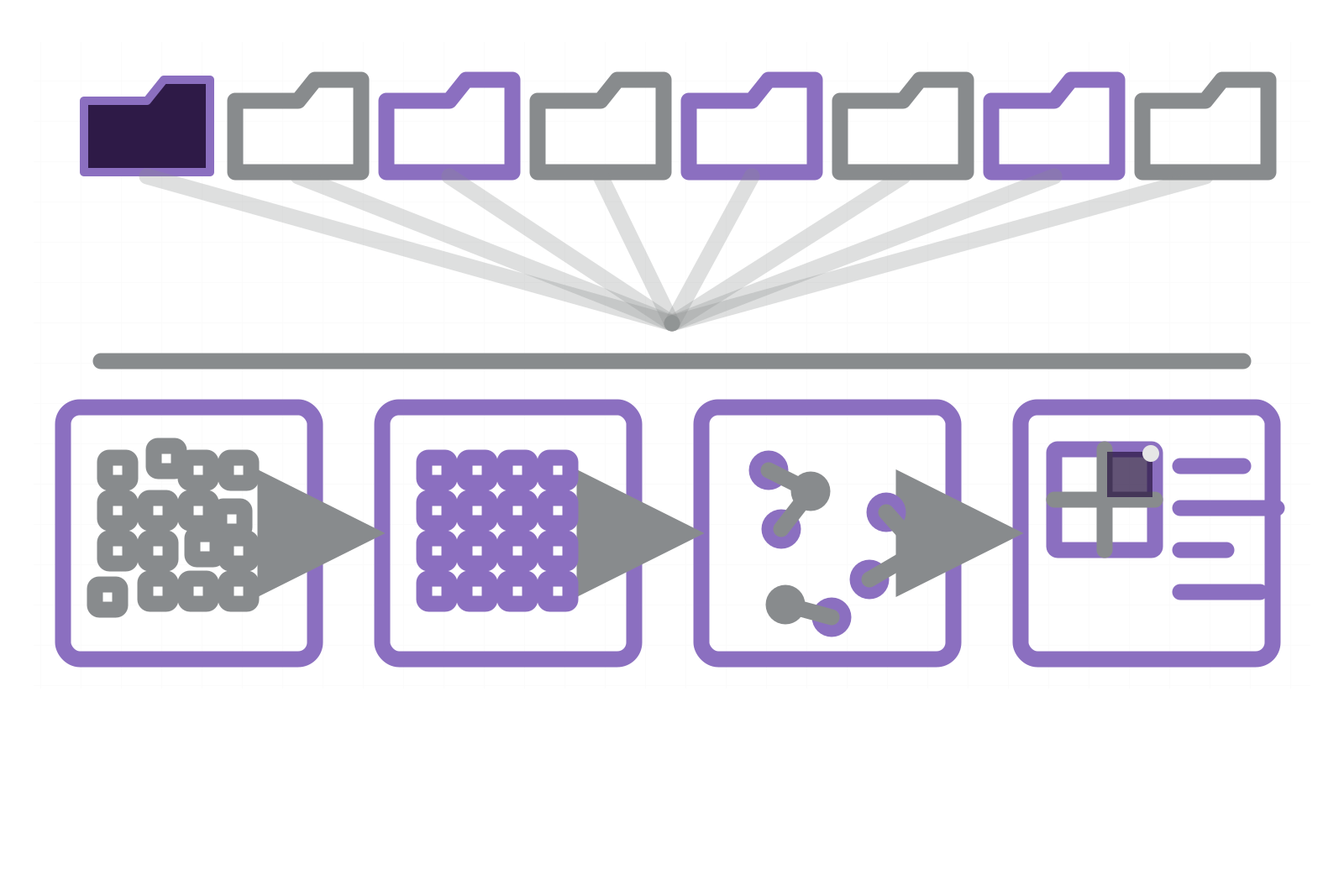
1. Made the data usable before analyzing it. Mapped the raw headers to a working schema, cleaned the line data, and built a categorized view where every line carries a material category, a supplier, a lead time, and a quantity that can be trusted.
Everything downstream depends on this step, and it is the step most analyses skip because it is unglamorous and takes the longest.
2. Rolled the spend up by material category. Grouping the lines by what they are made of and what they do turns thousands of rows into a small number of decisions, and it exposes concentrations that no line-item view shows. Category roll-ups are also what make a negotiation possible, because you cannot negotiate a line, you negotiate a category.
3. Consolidated the supplier base. Identified where the same or equivalent parts were being bought from multiple sources, and where a smaller set of suppliers could carry more of the order at better terms and less administrative cost.
Consolidation is not always the answer and the analysis says where it is not, because a single supplier carrying too much of a build is the risk the next section is about.
4. Split the order into buy now and buy later. Lead time against need date, item by item, producing an immediate-buy list of the items that decide the schedule and a deferred list of everything that does not. This is the deliverable that changes behavior fastest, because it tells a buying organization what to do on Monday.
5. Built the stocking logic. Reorder points derived from lead time and demand rather than from habit, so that recurring and consumable items are replenished on a rule instead of on somebody noticing an empty bin. Paired with a priority matrix that ranks what matters by risk and value, and a procurement schedule that lays the buying plan against the build.
6. Assessed the risk that matters and recommended sourcing accordingly. Single-source exposure identified line by line and rolled up by category, foreign versus domestic dependency mapped across the order, and sourcing recommended U.S.-first with global alternatives identified and flagged rather than hidden.
Where an end use carries domestic sourcing obligations, that analysis stops being a preference and becomes a compliance requirement, and it is cheaper to know which lines are exposed before the orders are placed.
What the client received
A structured workbook carrying the whole analysis in one place: the header mapping, the cleaned and categorized data, the supplier consolidation view, the immediate-buy list, the stocking model, the priority matrix, and the procurement schedule. It is built as a working tool the client’s buyers use, not as a report they read once.
An executive presentation of five to ten slides covering the findings and the recommendations, for the leadership audience that will approve the spend rather than execute it. And a written narrative summary that states what was found, what is recommended, and what happens if nothing changes.
The workbook is the deliverable that keeps working after the engagement ends. A Plan For Every Part is a standing record, one row per part, describing where it comes from, how long it takes, and how much of it to hold, and it stays accurate as long as somebody maintains it.
If this is the position you are in
An order lands that is larger than anything the buying organization has handled, and the instinct is to start placing purchase orders because the schedule is already moving. What follows is predictable: cash committed to parts that sit, a long-lead item discovered late, and a supplier concentration nobody chose that becomes obvious the first time one of them slips.
A few weeks of analysis in front of the buying is not a delay. It is the difference between a buying plan and a sequence of purchase orders that happened in the order somebody thought of them.
What Sivad delivered
- —One picture from two conflicting files. We took two conflicting raw BOM exports and turned them into a single clean, categorized procurement picture that leadership could actually act on, which is the unglamorous step every downstream decision depended on.
- —Cash pointed at the schedule. The supplier-consolidation case and the buy-now-versus-defer sequencing were built so that cash went first to the parts the build schedule needed, rather than to the lines somebody happened to think of first.
- —Stocking logic with a basis. We constructed reorder points and stocking rules from real lead times and real demand rather than from rules of thumb, so replenishment runs on a rule instead of on somebody noticing an empty bin.
- —Risk made visible, sourcing made deliberate. Single-source and foreign-exposure risk was flagged line by line and rolled up where it concentrated, with U.S.-first sourcing recommendations attached wherever the exposure warranted them.
- —A plan a board can interrogate. All of it was packaged as an executive-ready plan, ranked, scheduled, and defensible in front of a board, because analysis that cannot survive the approval meeting never becomes a purchase order.
If you are about to buy a large order off a raw BOM
A first conversation is scoped as a working session, so bring the BOM in whatever condition it is in, the delivery date, and what you already know is going to be the hard part, and we will tell you what the analysis would show and whether it is worth doing.